













You’ve probably tried a probiotic before.
Maybe it helped a little. Maybe it didn’t seem to do much at all. And if you’re still dealing with bloating, sluggish digestion, low energy, or that uncomfortable heaviness after meals — there’s a reason.
Probiotics alone are only half the equation.
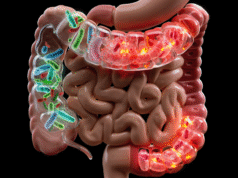
Here’s what most people never find out: without the right foods to feed those good bacteria, they die before they can do a thing. They arrive in your gut, find nothing to eat, and disappear. All that money, all that effort — gone.
But there’s a solution. And once you understand it, the way you eat will never be the same.
It’s called a synbiotic meal. And it’s the most powerful thing you can do for your gut — starting with your very next meal.
What Are Synbiotics — and Why Does It Matter?
Let’s start with the basics, because this is where most people get lost.
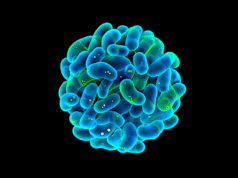
A probiotic is a live beneficial bacterium. You find it in fermented foods like yogurt, kefir, kimchi, and sauerkraut. These bacteria colonize your gut and help with digestion, immunity, mood regulation, and more.
A prebiotic is the fiber that feeds those bacteria. Without it, the bacteria starve. You find prebiotics in foods like garlic, onions, oats, bananas, and asparagus.
A synbiotic is what happens when you combine both in the same meal.
The result is not just additive — it’s multiplicative. Research published in the journal Gut Microbes found that synbiotic combinations significantly outperform probiotics or prebiotics taken alone, producing greater improvements in gut microbiome diversity, immune function, and digestive health.
Source: Gut Microbes — Synbiotic Research
That’s the secret most people never hear. And now that you know it, let’s talk about the foods that make it work.
The Best Probiotic Foods for Gut Health
Not all probiotic foods are created equal. Here’s what to look for — and why each one earns its place on your plate.
Yogurt
Plain, full-fat yogurt with live active cultures is one of the most accessible probiotic foods available. Look for the words “live and active cultures” on the label. Avoid flavored varieties loaded with added sugar — sugar feeds harmful bacteria and undermines everything you’re trying to accomplish.
Kefir
Think of kefir as yogurt’s more powerful cousin. It contains up to 61 different strains of bacteria and yeast, compared to the 2–7 strains typically found in yogurt. It’s tangy, drinkable, and works beautifully in smoothies. Studies show kefir can improve lactose digestion, reduce inflammation, and support bone density.
Source: NIH — Kefir and Gut Health
Sauerkraut and Kimchi
Both are fermented cabbage — but kimchi adds garlic, ginger, and chili for an extra layer of flavor and benefit. They’re rich in Lactobacillus bacteria, which have been shown to improve digestion and reduce bloating. Buy refrigerated versions only. Shelf-stable canned versions are pasteurized, which kills the live cultures.
Miso
A fermented soybean paste used widely in Japanese cooking, miso is rich in beneficial bacteria and enzymes. It’s also a source of B vitamins, vitamin K, and manganese. Use it in soups, dressings, and marinades — but add it after cooking to preserve the live cultures.
Tempeh
Tempeh is fermented soybeans pressed into a firm, protein-rich cake. It has a nutty, earthy flavor and works well as a meat substitute. Unlike tofu, tempeh is fermented, which means it contains live cultures and is easier to digest.
Kombucha
A fermented tea drink with a naturally effervescent quality, kombucha contains organic acids, B vitamins, and beneficial bacteria. Choose low-sugar varieties and treat it as a complement to your diet — not a replacement for whole food probiotic sources.
The Best Prebiotic Foods for Gut Health
Here’s where most gut health advice falls short. People focus entirely on probiotics and forget that without prebiotics, those bacteria have nothing to survive on.
Garlic and Onions
Both are among the richest sources of inulin and fructooligosaccharides — two of the most potent prebiotic fibers known. They feed Bifidobacterium and Lactobacillus strains directly. Use them generously in cooking. Even cooked garlic retains significant prebiotic activity.
Bananas
Slightly underripe bananas are particularly high in resistant starch — a type of prebiotic fiber that passes through the small intestine undigested and feeds beneficial bacteria in the colon. As bananas ripen, the resistant starch converts to sugar, so the greener the better for gut health purposes.
Oats
Oats contain beta-glucan, a soluble fiber with powerful prebiotic properties. Beta-glucan feeds beneficial bacteria, reduces LDL cholesterol, and helps stabilize blood sugar. Choose rolled or steel-cut oats over instant varieties, which are more processed and lower in fiber.
Asparagus and Leeks
Both are excellent sources of inulin. Asparagus also contains antioxidants and folate. Leeks have a mild, sweet flavor that works well in soups, stir-fries, and grain bowls. Together, they’re two of the most gut-friendly vegetables you can add to your plate.
Apples
Apples contain pectin, a soluble fiber that acts as a prebiotic and has been shown to increase the production of short-chain fatty acids — compounds that nourish the cells lining your colon and reduce inflammation.
Source: Harvard T.H. Chan School of Public Health — Fiber and Gut Health
Flaxseeds
Ground flaxseeds are rich in both soluble and insoluble fiber, making them one of the most versatile prebiotic additions to any meal. Add them to smoothies, oatmeal, or yogurt. Always use ground flaxseeds — whole seeds pass through undigested.
The Synbiotic Meal Formula
Now that you know the players, here’s how to combine them.
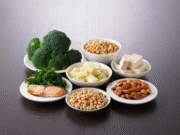
The formula is simple: probiotic food + prebiotic food + whole food base.
That’s it. Every synbiotic meal follows this structure. The probiotic delivers the beneficial bacteria. The prebiotic feeds and sustains them. The whole food base provides the nutrients, fiber, and energy your body needs to thrive.
What to avoid is just as important. Refined sugar, alcohol, and ultra-processed foods actively feed harmful bacteria and disrupt the gut microbiome. Even one high-sugar meal can temporarily shift the balance of bacteria in your gut. Consistency matters more than perfection — but it’s worth knowing what works against you.
Now let’s put this into practice.
Synbiotic Breakfast Ideas
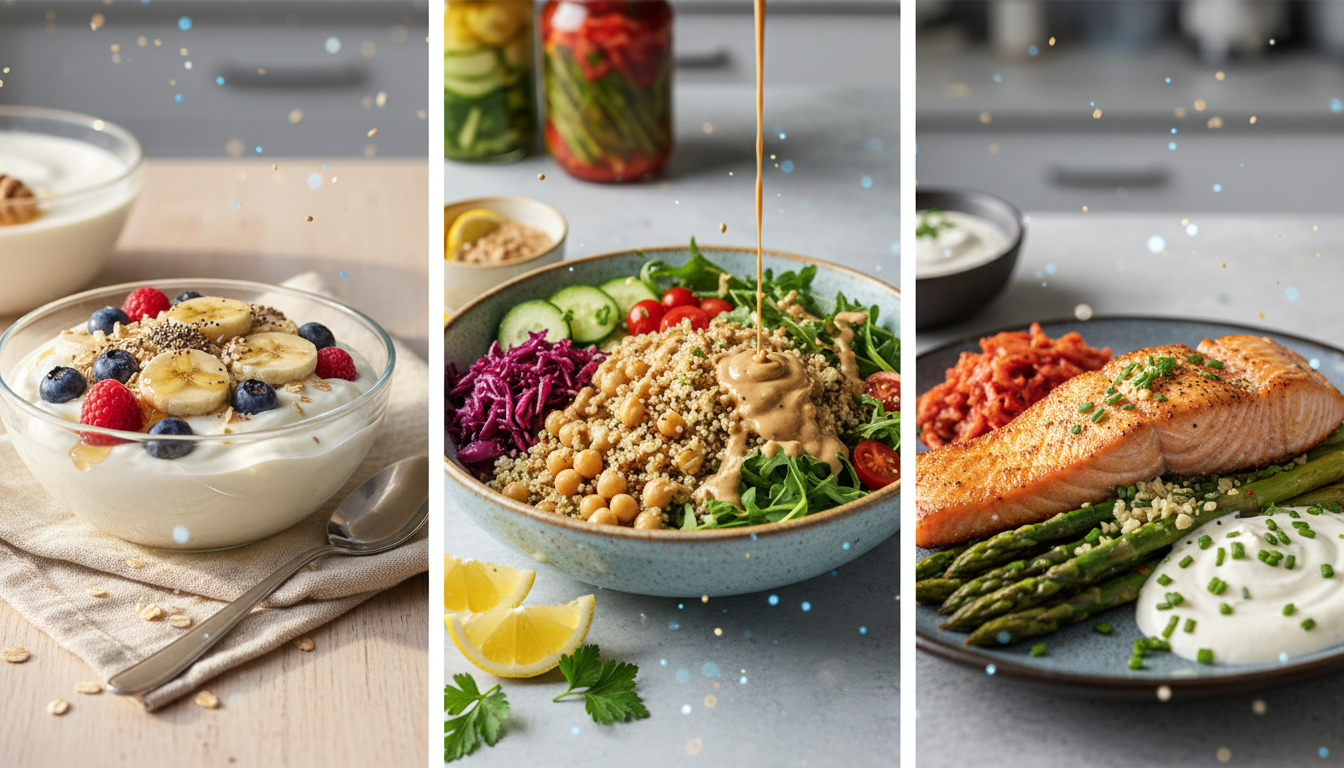
Synbiotic Breakfast 1 — Yogurt Parfait with Banana, Oats, and Honey
Layer plain full-fat yogurt with sliced banana, a handful of rolled oats, and a drizzle of raw honey. The yogurt delivers live cultures. The banana and oats provide prebiotic fiber. The honey adds a touch of sweetness along with its own antimicrobial properties.
This is one of the easiest synbiotic meals you can make — and it takes less than five minutes.
Synbiotic Breakfast 2 — Kefir Smoothie with Flaxseeds and Berries
Blend one cup of plain kefir with a handful of frozen berries, one tablespoon of ground flaxseeds, and half a banana. The kefir provides a diverse range of live cultures. The flaxseeds and banana deliver prebiotic fiber. The berries add antioxidants that support the gut lining.
Synbiotic Breakfast 3 — Overnight Oats with Apple and Kefir
Combine rolled oats with plain kefir instead of milk, then top with diced apple, a sprinkle of cinnamon, and a tablespoon of ground flaxseeds. Prepare it the night before and it’s ready the moment you wake up. The oats and apple provide beta-glucan and pectin. The kefir delivers the live cultures. Together, they create a complete synbiotic meal before you’ve even left the house.
Synbiotic Lunch Ideas
Synbiotic Lunch 1 — Miso Soup with Soba Noodles, Garlic, and Leeks
Dissolve a tablespoon of miso paste into warm (not boiling) water to preserve the live cultures. Add cooked soba noodles, sauteed leeks, minced garlic, and a handful of spinach. This is a deeply satisfying, gut-healing bowl that takes about fifteen minutes to prepare.
Synbiotic Lunch 2 — Kimchi Grain Bowl with Brown Rice, Avocado, and Asparagus
Start with a base of cooked brown rice. Add a generous portion of kimchi, sliced avocado, roasted asparagus, and a soft-boiled egg. Drizzle with sesame oil and a squeeze of lemon. The kimchi provides live cultures. The asparagus and brown rice deliver prebiotic fiber. The avocado adds healthy fats that support the absorption of fat-soluble nutrients.
Synbiotic Lunch 3 — Tempeh Wrap with Sauerkraut, Onion, and Leafy Greens
Slice and pan-fry tempeh until golden. Layer it into a whole grain wrap with sauerkraut, thinly sliced red onion, leafy greens, and a smear of hummus. The tempeh and sauerkraut provide two distinct probiotic sources. The onion and whole grain wrap deliver prebiotic fiber. It’s filling, portable, and genuinely delicious.
Synbiotic Dinner Ideas
Synbiotic Dinner 1 — Miso-Glazed Salmon with Roasted Asparagus and Garlic Brown Rice
Brush salmon fillets with a miso-based glaze (miso, a touch of honey, rice vinegar, and sesame oil) and bake at 400F for 12–15 minutes. Serve alongside roasted asparagus and brown rice cooked with minced garlic. The miso glaze delivers fermented goodness. The asparagus and garlic provide powerful prebiotic fiber. The salmon adds omega-3 fatty acids, which have been shown to support gut microbiome diversity independently.
Source: Cell Host and Microbe — Omega-3s and Gut Microbiome
Synbiotic Dinner 2 — Tempeh Stir-Fry with Onions, Leeks, and Brown Rice
Stir-fry cubed tempeh with sliced onions, leeks, bell peppers, and a sauce made from tamari, garlic, and ginger. Serve over brown rice. This is a complete synbiotic meal in a single pan — fast, affordable, and packed with gut-healing power.
Synbiotic Dinner 3 — Kefir-Marinated Chicken with Roasted Garlic Sweet Potato and Sauerkraut Slaw
Marinate chicken thighs in plain kefir, garlic, lemon juice, and herbs for at least two hours (or overnight). Roast until golden. Serve with roasted garlic sweet potato and a simple slaw made from shredded cabbage, sauerkraut, and apple cider vinegar dressing. The kefir tenderizes the chicken while delivering live cultures. The garlic and sweet potato provide prebiotic fiber. The sauerkraut slaw adds a second probiotic source and a bright, tangy contrast.
7 Real Benefits of Eating Synbiotic Meals Consistently
Here’s what happens when you make synbiotic meals a regular part of your diet — not just once, but consistently over weeks and months.
1. Reduced Bloating and Gas
The most immediate benefit most people notice. When beneficial bacteria are well-fed and thriving, they outcompete the gas-producing bacteria responsible for bloating and discomfort. Most people report noticeable improvement within two to three weeks.
2. Improved Digestion and Regularity
A healthy gut microbiome produces enzymes that break down food more efficiently, reduces transit time, and supports regular, comfortable bowel movements. No more sluggish digestion or unpredictable gut behavior.
3. Stronger Immune System
Approximately 70% of your immune system lives in your gut. The beneficial bacteria in your gut microbiome train immune cells, regulate inflammatory responses, and form a protective barrier against pathogens. Feed them well and your immune system follows.
Source: Cleveland Clinic — Gut and Immune System
4. Better Mood and Reduced Anxiety
Your gut produces approximately 90% of your body’s serotonin — the neurotransmitter most associated with mood, calm, and emotional stability. The gut-brain axis is a two-way communication highway, and a healthy gut microbiome has been directly linked to lower rates of anxiety and depression.
Source: Harvard Health — The Gut-Brain Connection
5. Clearer Skin
The gut-skin axis is real. Dysbiosis — an imbalance of gut bacteria — is now linked to acne, eczema, rosacea, and psoriasis. When your gut microbiome is balanced and thriving, systemic inflammation decreases, and the skin often reflects that improvement within four to six weeks.
6. More Sustained Energy Throughout the Day
A healthy gut microbiome improves the absorption of B vitamins, iron, and magnesium — all critical for energy production. It also stabilizes blood sugar by slowing the absorption of carbohydrates, which means fewer energy spikes and crashes throughout the day.
7. Natural Weight Management Support
Research published in Nature found that gut microbiome composition is directly linked to body weight and metabolic health. Beneficial bacteria produce short-chain fatty acids that regulate appetite hormones, reduce fat storage, and improve insulin sensitivity.
Source: Nature — Gut Microbiome and Obesity
Common Gut Health Mistakes to Avoid
Knowing what to do is only half the picture. Here’s what quietly undermines gut health — even in people who are trying to do everything right.
Taking Probiotics Without Prebiotics
This is the most common mistake. Probiotic supplements and probiotic foods are valuable — but without prebiotic fiber to sustain them, the bacteria don’t survive long enough to make a meaningful difference. Always pair them.
Eating Too Much Sugar
Refined sugar is fuel for harmful bacteria and yeast. It disrupts the balance of the microbiome, promotes inflammation, and feeds the exact organisms you’re trying to crowd out. Reducing added sugar is one of the single most impactful things you can do for gut health.
Overusing Antibiotics and NSAIDs
Antibiotics are sometimes necessary — but they don’t discriminate between harmful and beneficial bacteria. They wipe out both. If you’ve recently completed a course of antibiotics, synbiotic meals are especially important for rebuilding your microbiome. NSAIDs like ibuprofen can also damage the gut lining with regular use.
Not Eating Enough Fiber Diversity
Different strains of beneficial bacteria feed on different types of fiber. Eating the same foods every day limits the diversity of your microbiome. Aim for at least 30 different plant foods per week — a target supported by the American Gut Project’s research on microbiome diversity.
Source: American Gut Project — Dietary Diversity and Microbiome
Expecting Overnight Results
Gut healing is a process, not an event. Most people notice meaningful improvements in digestion and energy within two to four weeks of consistent synbiotic eating. Deeper benefits — improved mood, clearer skin, stronger immunity — typically emerge over one to three months. Stay consistent. The results compound.
FAQ — Gut Health and Synbiotic Meals Answered
How long before I notice a difference?
Most people notice reduced bloating and improved digestion within two to three weeks. Energy and mood improvements typically follow within four to six weeks of consistent synbiotic eating.
Can I take a synbiotic supplement instead of eating synbiotic foods?
Supplements can help — especially after antibiotics or during travel. But whole food synbiotics are superior because they deliver fiber, vitamins, minerals, and phytonutrients alongside the bacteria. Food first, supplements as support.
Are synbiotic meals safe for everyone?
For most people, yes. Those with SIBO (small intestinal bacterial overgrowth) or certain digestive conditions may need to work with a healthcare provider before significantly increasing fermented foods or prebiotic fiber. Start slowly and increase gradually.
What if I’m lactose intolerant?
Kefir and yogurt are often well-tolerated by people with lactose intolerance because the fermentation process breaks down much of the lactose. Non-dairy probiotic options — kimchi, sauerkraut, miso, tempeh, and kombucha — are all excellent alternatives.
How many synbiotic meals per day do I need?
Even one synbiotic meal per day produces measurable benefits. Two is better. Three is ideal. The goal is consistency over time, not perfection in a single day.
The Bottom Line
Your gut is not just a digestive organ.
It’s the control center for your energy, your immunity, your mood, your skin, and your weight. And for most people, it’s been running on the wrong fuel for years.
Synbiotic meals are the simplest, most powerful way to change that. Not a supplement. Not a protocol. Just real food — the right probiotic foods paired with the right prebiotic foods — eaten consistently, starting today.
One meal at a time. That’s all it takes to begin.
Sources and Further Reading
- Gut Microbes — Synbiotic Research
- NIH — Kefir and Gut Health
- Harvard T.H. Chan School of Public Health — Fiber and Gut Health
- Cell Host and Microbe — Omega-3s and Gut Microbiome
- Cleveland Clinic — Gut and Immune System
- Harvard Health — The Gut-Brain Connection
- Nature — Gut Microbiome and Obesity
- American Gut Project — Dietary Diversity and Microbiome