











You’re not tired because you’re lazy.
You’re not bloated because of bad genes.
And you’re not struggling with your weight because you lack willpower.
The real culprit? The food industry has quietly engineered your cravings, your fatigue, and your waistline — and most people have no idea it’s happening.
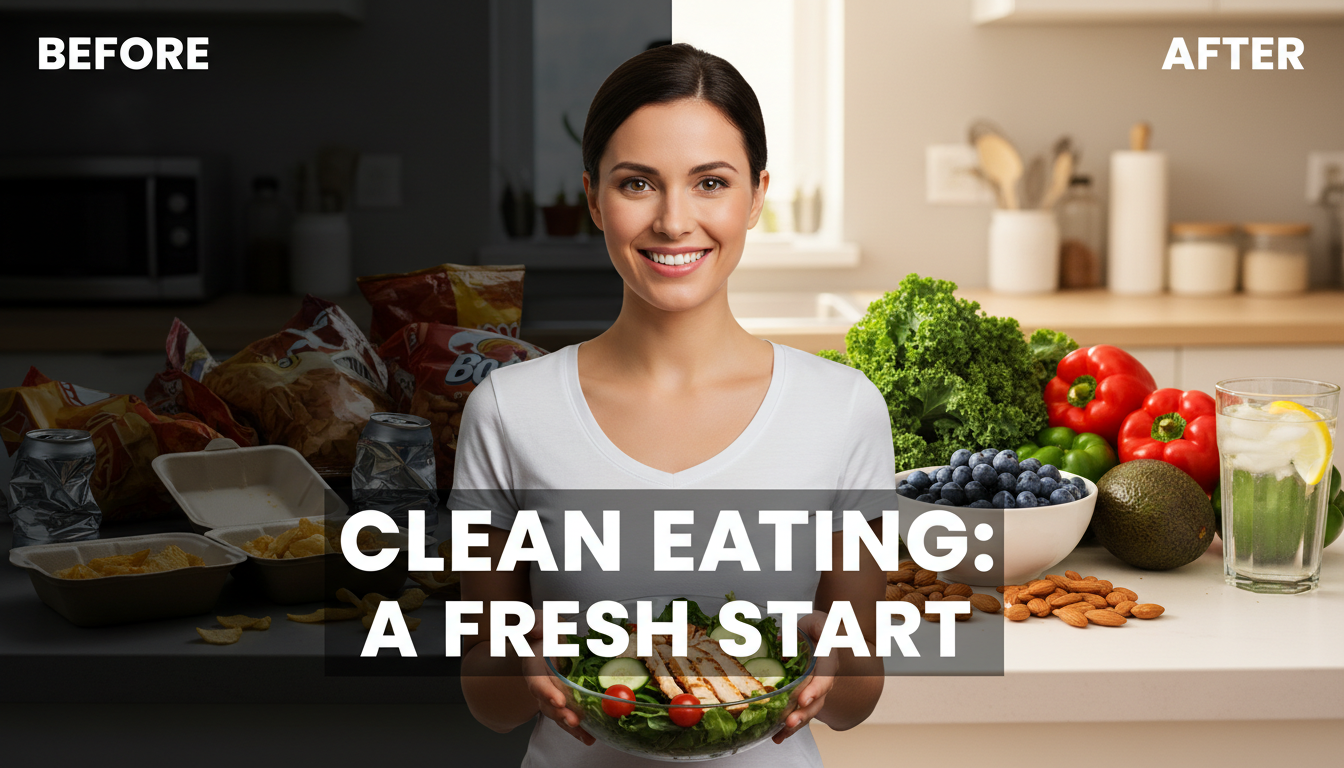
Eating clean is how you take back control. Not through deprivation. Not through another punishing diet. But through a simple, sustainable shift in the way you eat — one that gives your body what it was designed to run on.
Here’s everything you need to know to start.
Why So Many People Feel Tired, Bloated, and Out of Control
The Processed Food Trap Most People Don’t See
The average American eats more than 70% of their calories from ultra-processed foods — products engineered in labs to override your body’s natural hunger signals. These foods are designed to make you eat more, crave more, and feel satisfied less.
The result? Chronic fatigue. Stubborn weight gain. Brain fog. Mood swings. Digestive issues. And a nagging feeling that no matter what you try, nothing works.
What the Food Industry Doesn’t Want You to Know
Processed foods are loaded with refined sugars, industrial seed oils, artificial additives, and preservatives that trigger inflammation, disrupt gut bacteria, and spike blood sugar — only to crash it hours later, leaving you reaching for more.
This isn’t a willpower problem. It’s a biology problem. And clean eating is the biological solution.
Why Willpower Isn’t the Problem
When your blood sugar is on a roller coaster, your hormones are out of balance, and your gut microbiome is compromised — no amount of willpower can override those signals. Clean eating works because it removes the triggers, not just the symptoms.
What Does “Eating Clean” Actually Mean?
The Core Principles of Clean Eating
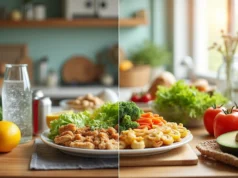
Eating clean means choosing whole, minimally processed foods as close to their natural state as possible. It means:
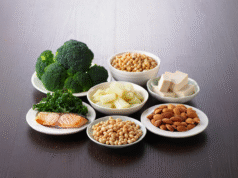
- Eating real food — vegetables, fruits, lean proteins, whole grains, healthy fats
- Avoiding or minimizing processed, packaged, and artificially flavored foods
- Cooking more at home with simple, recognizable ingredients
- Staying hydrated with water instead of sugary drinks
It’s not a rigid diet. It’s a flexible, sustainable lifestyle.
What Clean Eating Is NOT
Clean eating is not about perfection. It’s not about eliminating entire food groups, surviving on salads, or spending a fortune at health food stores. It’s not a punishment — it’s a return to the way humans were designed to eat.
Clean Eating vs. Dieting — A Critical Difference
Diets have a start date and an end date. Clean eating doesn’t. Diets restrict. Clean eating nourishes. Diets leave you hungry and frustrated. Clean eating leaves you satisfied, energized, and in control. That’s the difference between short-term results and lasting transformation.
The Science Behind Clean Eating
How Processed Foods Damage Your Gut, Hormones, and Brain
Research published in the British Medical Journal found that ultra-processed food consumption is linked to higher risks of obesity, type 2 diabetes, cardiovascular disease, and even depression. Processed foods disrupt the gut microbiome — the trillions of bacteria that regulate digestion, immunity, and mood.
Source: BMJ – Ultra-Processed Food Consumption and Health
What Whole Foods Do for Your Body at a Cellular Level
Whole foods are rich in fiber, antioxidants, vitamins, and minerals that reduce oxidative stress, support cellular repair, and regulate hormones. They feed beneficial gut bacteria, stabilize blood sugar, and reduce systemic inflammation — the root cause of most chronic disease.
The Inflammation Connection — and Why It Matters
Chronic low-grade inflammation is now linked to nearly every major disease: heart disease, cancer, Alzheimer’s, autoimmune conditions, and obesity. The foods you eat either fuel inflammation or fight it. Clean eating is one of the most powerful anti-inflammatory tools available — and it’s free.
Source: Harvard Health – Foods That Fight Inflammation
10 Real Benefits of Eating Clean
1. More Sustained Energy (No More 3 p.m. Crashes)
Whole foods provide steady, slow-burning fuel. No more energy spikes followed by crashes that leave you reaching for coffee or sugar.
2. Clearer Skin and Reduced Breakouts
Dairy, refined sugar, and processed oils are among the top dietary triggers for acne and skin inflammation. Clean eating removes these triggers and floods your body with skin-supporting nutrients.
3. Better Digestion and Less Bloating
Fiber-rich whole foods feed healthy gut bacteria and keep digestion moving. Most people notice a dramatic reduction in bloating within the first two weeks.
4. Stable Mood and Reduced Anxiety
Your gut produces 90% of your body’s serotonin. When you feed it well, your mood follows. Studies show that diets high in whole foods are associated with significantly lower rates of depression and anxiety.
Source: NIH – Diet and Mental Health
5. Sharper Mental Focus and Clarity
Brain fog is often a symptom of blood sugar instability and inflammation. Clean eating stabilizes both — and many people report feeling mentally sharper within days.
6. Deeper, More Restorative Sleep
Processed foods and sugar disrupt sleep hormones. A clean diet supports melatonin production and reduces the cortisol spikes that keep you wired at night.
7. Natural Weight Management (Without Counting Calories)
Whole foods are naturally more filling and less calorie-dense than processed alternatives. Most people lose weight effortlessly when they switch to clean eating — without tracking a single calorie.
8. Reduced Cravings for Sugar and Junk Food
This one surprises people most. Within 2–3 weeks of clean eating, cravings for sugar and processed food dramatically decrease. Your taste buds recalibrate. Real food starts tasting better.
9. Stronger Immune System
Vitamins C, D, zinc, and antioxidants found in whole foods are the building blocks of immune function. A clean diet is one of the most effective ways to reduce how often you get sick.
10. Long-Term Disease Prevention
The research is overwhelming: diets rich in whole foods dramatically reduce the risk of heart disease, type 2 diabetes, certain cancers, and neurodegenerative diseases.
Source: WHO – Healthy Diet and Disease Prevention
What to Eat (and What to Avoid)
Clean Eating Food List — What Fills Your Plate
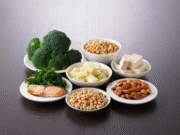
Proteins: Chicken, turkey, fish, eggs, legumes, tofu, Greek yogurt
Vegetables: All of them — especially leafy greens, broccoli, peppers, sweet potatoes
Fruits: Berries, apples, bananas, citrus, mango — whole fruit, not juice
Whole Grains: Brown rice, quinoa, oats, whole wheat bread, farro
Healthy Fats: Avocado, olive oil, nuts, seeds, fatty fish
Foods to Minimize or Eliminate
- Refined sugars and artificial sweeteners
- White bread, white pasta, white rice
- Packaged snacks, chips, crackers
- Fast food and fried foods
- Sugary drinks, sodas, and most fruit juices
- Processed meats (hot dogs, deli meats with nitrates)
How to Read Labels Like a Pro
If you can’t pronounce an ingredient, your body probably can’t process it well. Look for short ingredient lists with recognizable whole food ingredients. Avoid anything with high-fructose corn syrup, hydrogenated oils, or artificial colors.
The 5-Ingredient Rule for Packaged Foods
A simple clean eating hack: if a packaged product has more than 5 ingredients, put it back. The fewer the ingredients, the closer it is to real food.
How to Start Eating Clean Without Feeling Overwhelmed
Step 1 — Pantry Purge and Restock
Remove the processed foods, sugary snacks, and refined grains. Replace them with whole food staples: oats, brown rice, canned beans, olive oil, nuts, and frozen vegetables.
Step 2 — Master a Simple Weekly Meal Plan
You don’t need elaborate recipes. Pick 3 proteins, 4 vegetables, 2 whole grains, and 2 healthy fats for the week. Mix and match into simple meals.
Step 3 — Batch Cook for the Week
Spend 1–2 hours on Sunday cooking a big batch of grains, roasting vegetables, and prepping proteins. This removes the daily decision fatigue that leads to takeout.
Step 4 — Smart Snacking Strategies
Replace chips and crackers with: apple slices and almond butter, Greek yogurt with berries, a handful of mixed nuts, or hummus with raw vegetables.
Step 5 — Eating Clean at Restaurants and Social Events
Look for grilled proteins, salads with olive oil dressing, and vegetable-based sides. Don’t stress about perfection — 80% clean is still transformative.
A Sample Day of Clean Eating
Breakfast: Overnight oats with almond milk, chia seeds, blueberries, and a drizzle of honey
Lunch: Grilled chicken over a big salad with avocado, cherry tomatoes, cucumber, and olive oil/lemon dressing
Dinner: Baked salmon with roasted sweet potato and steamed broccoli
Snacks: Apple with almond butter / Greek yogurt with mixed berries / a small handful of walnuts
Common Clean Eating Mistakes to Avoid
Going Too Restrictive Too Fast
Cutting everything at once leads to burnout. Start by eliminating one category — sugary drinks, for example — and build from there.
Falling for “Health Food” Marketing Traps
“Gluten-free,” “organic,” and “natural” labels don’t automatically mean clean. Many health food products are still loaded with sugar and additives. Read the label, not the marketing.
Not Eating Enough Fat or Protein
Fat and protein are essential for satiety, hormone production, and brain function. Clean eating is not low-fat eating. Avocados, olive oil, nuts, and fatty fish are your friends.
Ignoring Hydration
Most people are chronically dehydrated — and dehydration mimics hunger. Aim for 8–10 glasses of water daily. Add lemon or cucumber if plain water feels boring.
Clean Eating on a Budget
Affordable Whole Food Swaps
- Dried beans and lentils instead of canned (cheaper, just as nutritious)
- Frozen vegetables instead of fresh (equally nutritious, far cheaper)
- Eggs as a primary protein source (one of the most affordable clean foods)
- Oats, brown rice, and sweet potatoes as budget-friendly staples
Frozen vs. Fresh — What Science Says
Frozen vegetables are flash-frozen at peak ripeness, locking in nutrients. In many cases, they’re more nutritious than fresh produce that’s been sitting in transit for days.
Source: Journal of Food Composition and Analysis – Frozen vs. Fresh Vegetables
Meal Prep Tips That Save Time and Money
Batch cooking reduces food waste, saves money, and eliminates the temptation to order takeout. A Sunday prep session of 90 minutes can set you up for the entire week.
FAQ — Clean Eating Answered
Can I eat clean and still enjoy social events?
Absolutely. The 80/20 rule works well — eat clean 80% of the time and give yourself flexibility for social occasions. One meal won’t undo weeks of progress.
Is organic food necessary?
Not required, but beneficial for the “Dirty Dozen” — the 12 fruits and vegetables with the highest pesticide residue (strawberries, spinach, apples, etc.). For everything else, conventional is fine.
How long before I see results?
Most people notice improved energy and digestion within 1–2 weeks. Skin improvements typically appear around week 3–4. Weight changes vary but often begin within the first month.
Can I eat clean as a vegetarian or vegan?
Clean eating is naturally well-suited to plant-based diets. Focus on legumes, tofu, tempeh, whole grains, nuts, seeds, and a wide variety of vegetables for complete nutrition.
The Bottom Line
Eating clean isn’t a trend. It’s not a punishment. And it’s not about being perfect.
It’s about giving your body the fuel it was designed to run on — and watching what happens when you do. More energy. Better sleep. Clearer skin. A calmer mind. A body that feels like yours again.
The food industry spent decades engineering products that work against you. Clean eating is how you work with your body instead.
Start with one meal. Then another. The results will do the convincing.